Probiotics
Probiotics in SlimTide: Strains, CFU and Refrigeration
SlimTide lists three probiotic species, Bifidobacterium infantis, Clostridium butyricum and Akkermansia muciniphila, in one 36 mg blend. The label gives weight, not CFU, and prints no strain codes. NIH says weight can include dead cells and suggests checking the CFU at the end of shelf life (NIH ODS: probiotics). The label asks you to refrigerate the bottle.
Written by the Slimtidebalance editorial teamUpdated
The blend
Which probiotic strains are in SlimTide?
SlimTide names three probiotic species: Bifidobacterium infantis, Clostridium butyricum and Akkermansia muciniphila. They share one line on the label, "Probiotic Blend 36 mg".
Strictly, those are species names. A strain is a narrower label, usually a code after the species name, and SlimTide prints none. The split between the three is not shown either. Filter the list to see the fibers and probiotics apart.
- 1Chicory root inulinChicory Root Inulin (Cichorium intybus)(root) · 211 mg
- 2Potato resistant starchPotato (Resistant Starch) (tuber) · 100 mg
- 3Akkermansia muciniphilaAkkermansia muciniphila (in the Probiotic Blend) · Part of a 36 mg blend; its share, form and CFU are not printed
- 4Bifidobacterium infantisBifidobacterium infantis (in the Probiotic Blend) · Part of a 36 mg blend; its share and CFU are not printed
- 5Clostridium butyricumClostridium butyricum (in the Probiotic Blend) · Part of a 36 mg blend; its share and CFU are not printed
The two fibers have their own printed amounts. The three probiotic strains share one 36 mg Probiotic Blend, with no split, no strain codes and no CFU count.
Each species has its own profile: B. infantis, C. butyricum and Akkermansia muciniphila.
Milligrams
Why does the SlimTide label list milligrams instead of live cells?
Because a weight is what US labels must show. NIH's probiotics fact sheet explains that labels list the total weight of the microorganisms, and that this weight can include dead ones (NIH ODS: probiotics). A CFU count is voluntary.
So 36 mg is not a mistake, but it hides a lot. Two bottles with the same 36 mg could hold very different numbers of living bacteria, and the label gives you no way to tell them apart.
Even the 36 mg is a total. The label does not say how much belongs to B. infantis, C. butyricum or Akkermansia.
CFU
What does CFU mean, and where should it appear on a label?
CFU stands for colony-forming units, an estimate of how many cells can still grow. NIH advises looking for a CFU figure that holds at the end of shelf life, not just at manufacture (NIH ODS: probiotics). Cells can die while a bottle sits on a shelf.
Probiotic experts take the same view. An ISAPP consensus said "probiotic" should describe products with well-defined strains and an adequate live count at the end of shelf life (ISAPP: probiotic consensus (2014)).
| Label detail | Why it helps | On SlimTide? |
|---|---|---|
| Total weight of the blend | Required on US labels (NIH ODS: probiotics) | Yes: 36 mg |
| Species names | Shows which kinds of bacteria are used | Yes: three named |
| Strain codes | Effects are strain-specific (NIH ODS: probiotics) | Not published |
| Amount of each species | Shows what each one contributes | Not published |
| CFU at end of shelf life | Counts what is still alive when you take it (NIH ODS: probiotics) | Not published |
| Live or pasteurized cells | The main Akkermansia study used pasteurized cells (Akkermansia pilot study (2019)) | Not published |
| Storage instructions | Some probiotics need refrigeration (NIH ODS: probiotics) | Yes: refrigerate |
More in our post on what CFU means on a label.
Evidence
Why do strain codes matter for SlimTide's probiotics?
Results do not transfer between strains. NIH says probiotic effects are strain-specific (NIH ODS: probiotics), and NCCIH says a benefit from one strain does not guarantee a benefit from another (NCCIH: probiotics safety).
That rule shapes what can be said about each SlimTide species:
- Akkermansia muciniphila: the key human study was a 3-month pilot with 32 completers taking about 10 billion pasteurized cells a day. Insulin sensitivity improved by about 28.6% against placebo; the 2.27 kg weight difference was not significant, and the authors call the study exploratory (Akkermansia pilot study (2019)).
- Bifidobacterium infantis: no weight trial of this species alone in our sources.
- Clostridium butyricum: no weight trial of this species alone in our sources.
SlimTide does not say whether its Akkermansia is live or pasteurized, so even the pilot cannot be matched to the capsule.
Storage
Does SlimTide need to be refrigerated?
Yes, once the bottle is open. The label says "Refrigerate for optimal quality," and the sales page says to refrigerate after opening "to preserve the potency of the probiotics."
The same label also says "Store in a cool, dry place" and "Keep away from heat, light, and humidity." Those lines can seem to pull apart. Our advice is the fridge once the bottle is open, with the cap closed: it is cool, and it is what both the label and the sales page ask for.
This matches what NIH says about probiotics in general: they must be alive to work, they can die during shelf life, and some need refrigeration (NIH ODS: probiotics).
- Put the bottle in the fridge after you open it
- Close the cap tightly after each capsule
- Keep it away from the stove and sunny windows
- Do not use it if the safety seal was damaged or missing

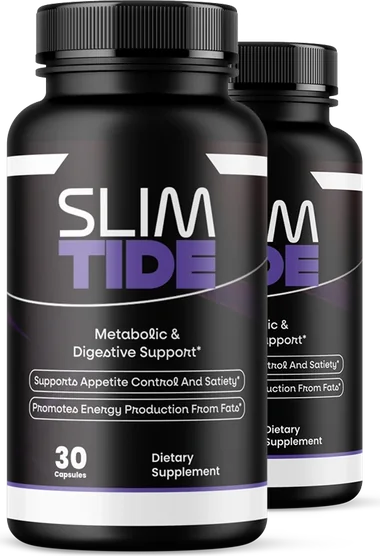
Try SlimTide for 60 days1 capsule a day · from $49 a bottle · free U.S. shipping on 3+ bottles
Order nowLeft out
What happens if SlimTide is left out of the fridge?
No one has published an answer for SlimTide itself. Its shelf life and heat tolerance are not printed. In one storage study of other probiotic products, 4C kept bacteria alive better than 28C, and 28 days at 28C caused a significant loss in one product (Probiotic storage and viability (2018)). If a bottle sat out for long, ask the order desk before you keep using it.
Weight
Do probiotics like those in SlimTide help with weight?
The effect is small and uncertain. NIH's weight-loss fact sheet calls it inconsistent: one review of 15 trials found about 0.6 kg more loss than placebo, and the latest, with 19 trials and 1,412 people, found a 0.82 cm smaller waist but no change in weight or BMI (NIH ODS: weight-loss supplements).
A 2019 meta-analysis reported 0.94 kg, which its authors called minor but consistent, and some results weakened when Iranian trials were removed (Meta-analysis: probiotics and weight (2019)). Those reviews pooled many products, not SlimTide's blend.

NIH adds that diet, fewer calories and activity remain the basis of weight loss (NIH ODS: weight-loss supplements). The gut health guide covers habits that do more than a capsule can.
Ask the order desk
What should you ask before buying SlimTide for its probiotics?
Call +1 (302) 200-3480 or email [email protected], and keep the answers with your order ID.
What is the CFU per capsule at the end of shelf life?
This is the count NIH tells shoppers to look for (NIH ODS: probiotics).
Which strains are used, with their codes?
Ask for the full code after each species name.
How is the 36 mg split?
Ask how much of the blend each of the three species makes up.
Is the Akkermansia live or pasteurized?
The pilot study used pasteurized cells (Akkermansia pilot study (2019)); the label is silent.
What are the shelf life and the safe time out of the fridge?
Neither is published. Ask too how bottles are kept during shipping.
Has a lab checked the species in the bottle?
Some probiotic products have held microbes not on the label (NCCIH: probiotics safety).
Check first
Who should ask a doctor before taking SlimTide's probiotics?
The label names three groups: pregnant or nursing mothers, anyone under 18 and anyone with a known medical condition. NCCIH adds that probiotic risks are greater for people with severe illness or a compromised immune system (NCCIH: probiotics safety).
It is not a product for infants. FDA warned in 2023 about probiotics given to hospitalized preterm babies (FDA: probiotics and preterm infants (2023)).
Our sources list no drug interactions for these species. If you take medicine, bring the label to your doctor, and see medicines and SlimTide. Read the fiber amounts on the Supplement Facts page too before you decide.
FAQ
SlimTide probiotics and CFU: FAQ
How many CFU does SlimTide have per capsule?
SlimTide does not publish a CFU count. The label lists a 36 mg Probiotic Blend of three species. NIH notes that listing CFU is voluntary and advises looking for the count guaranteed at the end of shelf life, so ask the order desk for that figure.
Why is 36 mg not the same as a probiotic count?
A milligram figure is the weight of the bacteria, and NIH says it can include dead cells. CFU estimates how many cells can still grow. Two products with the same weight can hold very different live counts.
What probiotics are in SlimTide?
Bifidobacterium infantis, Clostridium butyricum and Akkermansia muciniphila, in that order on the label. They share one 36 mg blend. No strain codes and no split between the three are printed.
Do I have to refrigerate SlimTide?
The label says to refrigerate for optimal quality, and the sales page says to refrigerate after opening to preserve the probiotics. Store the opened bottle in the fridge with the cap closed, away from heat and moisture.
Is SlimTide ruined if I forget to refrigerate it?
No one has published how SlimTide holds up at room temperature, and its shelf life is not printed. A storage study of other probiotics found better survival at 4C than at 28C. Ask the order desk if a bottle sat out for a long time.
Is the Akkermansia in SlimTide live or pasteurized?
The label does not say. The main human study used about 10 billion pasteurized cells a day for 3 months in a small pilot, and its weight result was not significant. Without the form and amount, that study cannot be matched to SlimTide.
Who wrote this
Written and reviewed by
A small team that reads the SlimTide label line by line, checks every number against public health sources (NIH ODS, NCCIH, CDC, NIDDK, FDA, FTC) and published trials, and rewrites it in plain English. We do not write for the manufacturer, and we update a page whenever the label, the prices or the evidence changes.
Last updated . Read our editorial standards and how we check reviews. This website is run by a USA authorized retailer, not by the manufacturer. We earn money when you buy through our order links.
Keep reading
More about SlimTide
Akkermansia muciniphila
What one small pilot says about Akkermansia, and what the SlimTide label leaves out: count, form and share of the blend.
Read more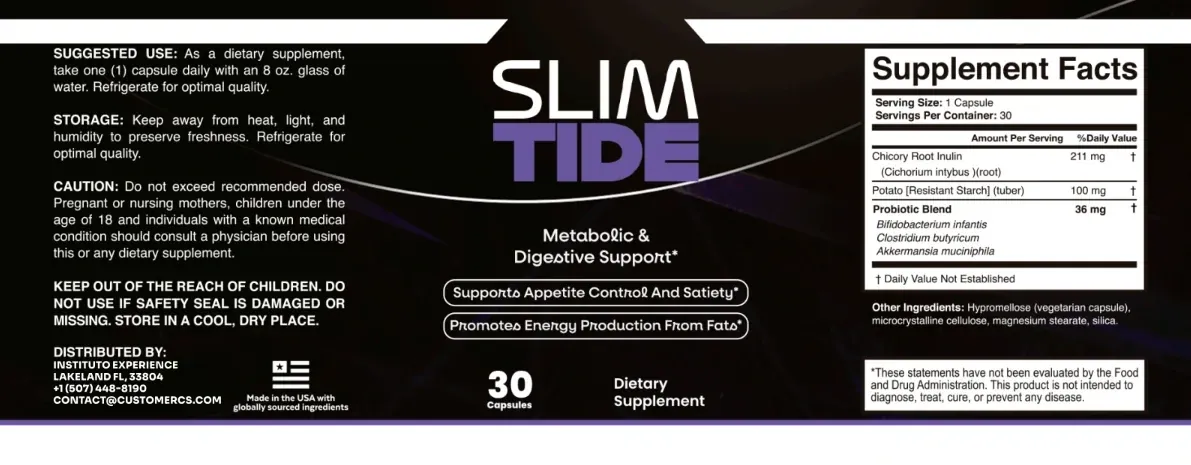
Supplement Facts
Every line of the SlimTide label, with what the 36 mg probiotic weight can and cannot tell you.
Read more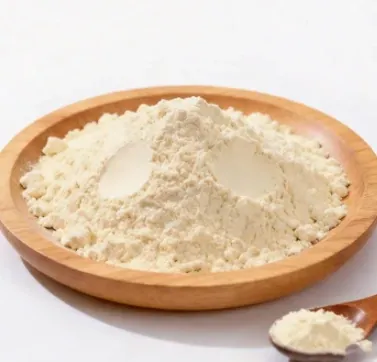
Side effects
Gas, bloating and probiotic cautions, ingredient by ingredient, plus who should ask a doctor first.
Read moreUSA authorized SlimTide retailer
Ready to try SlimTide?
Pick a pack. At one capsule a day, every pack lasts at least 60 days, the whole money-back window.
- Secure checkout
- 60-day money-back guarantee
- Ships from the U.S.